
Our engineering cases
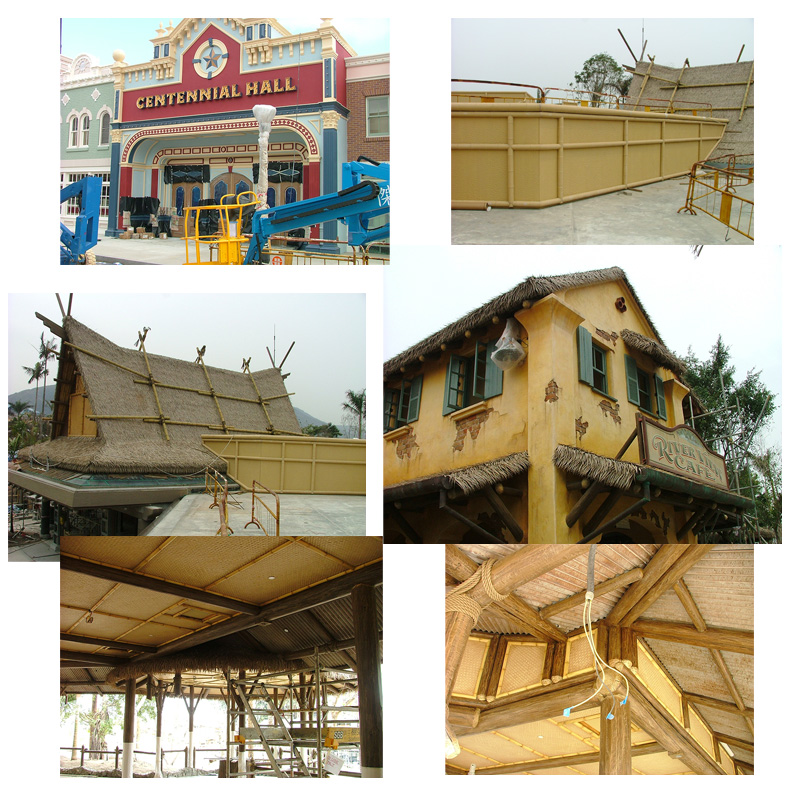
Hong Kong Disneyland’s engineering features wood and bamboo imitations, which are durable and will never crack
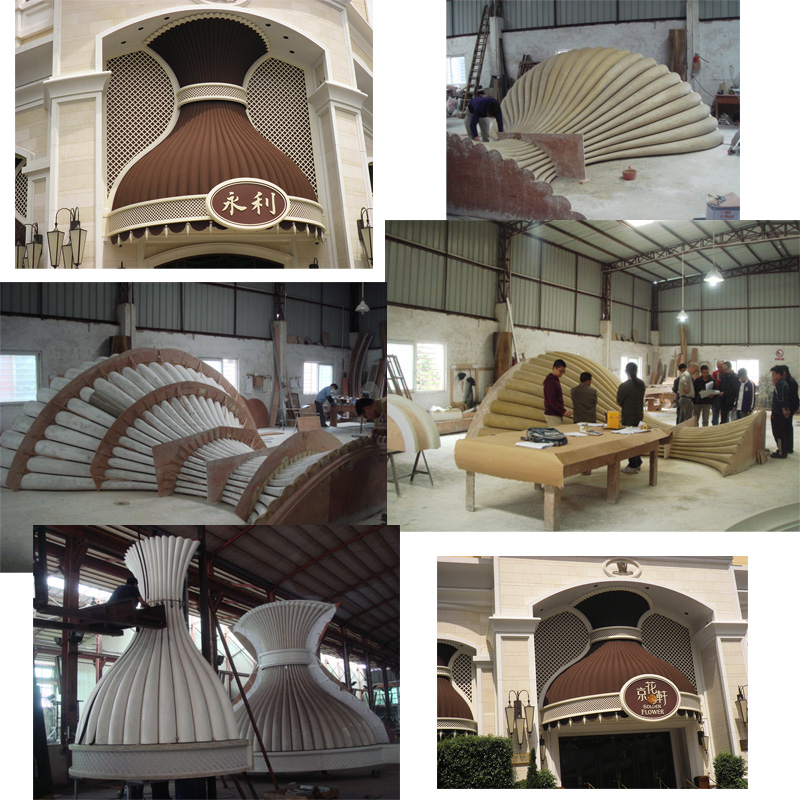
The Wynn decoration door of the Macau casino in China is a large fiberglass project with light weight, high strength, corrosion resistance, and integrated molding. If you are fortunate enough to travel to Macau, you can also see the masterpieces of our engineers
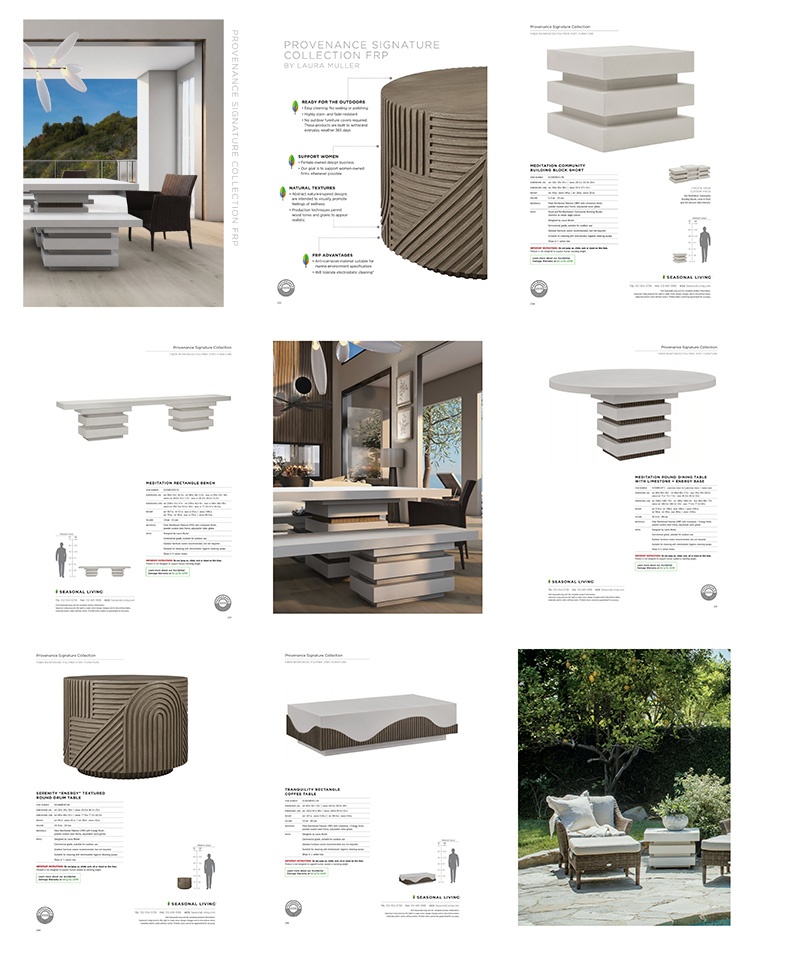
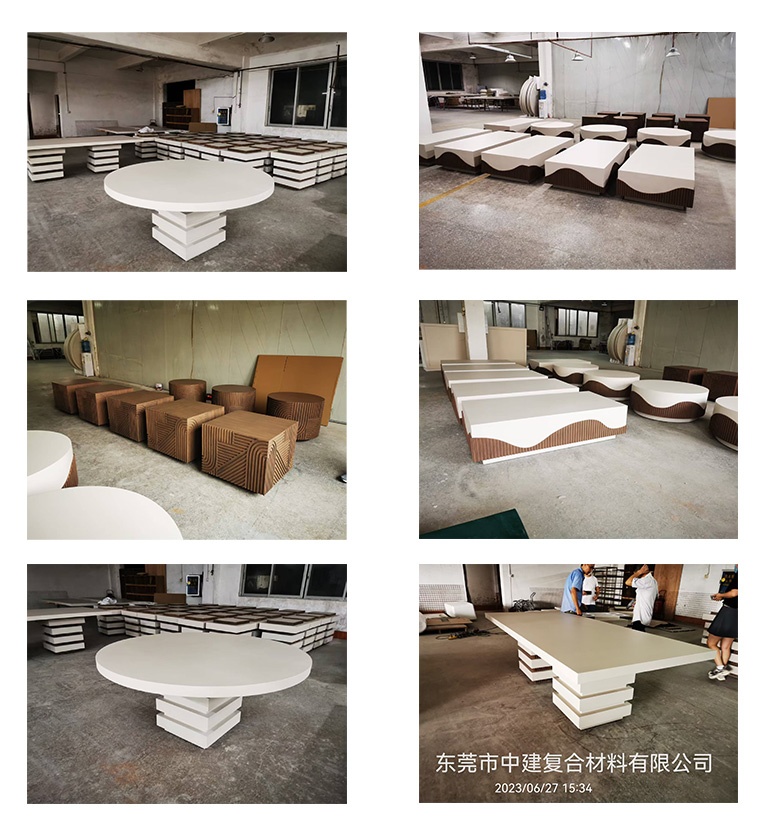
Choosing fiberglass reinforced plastic (FRP) as the material for hotel outdoor furniture signifies finding a perfect balance between luxury and durability. This innovative material not only withstands the harsh outdoor environments such as sun exposure, rain, and salt spray corrosion, but also remains pristine and shiny throughout the seasons, significantly reducing the hotel’s maintenance costs. Moreover, with its lightweight and high-strength characteristics, it grants designers unlimited creative freedom, easily creating elegant and smooth curved shapes, adding a touch of modern art to hotel terraces, poolside areas, or gardens. FRP furniture feels warm to the touch, does not absorb moisture, and does not mold, providing guests with a comfortable seating experience. Its color stability ensures that it does not fade over years of use, allowing the hotel’s outdoor spaces to always present an exquisite and high-end welcome. This helps you achieve higher guest satisfaction and brand premium with lower long-term operating costs.
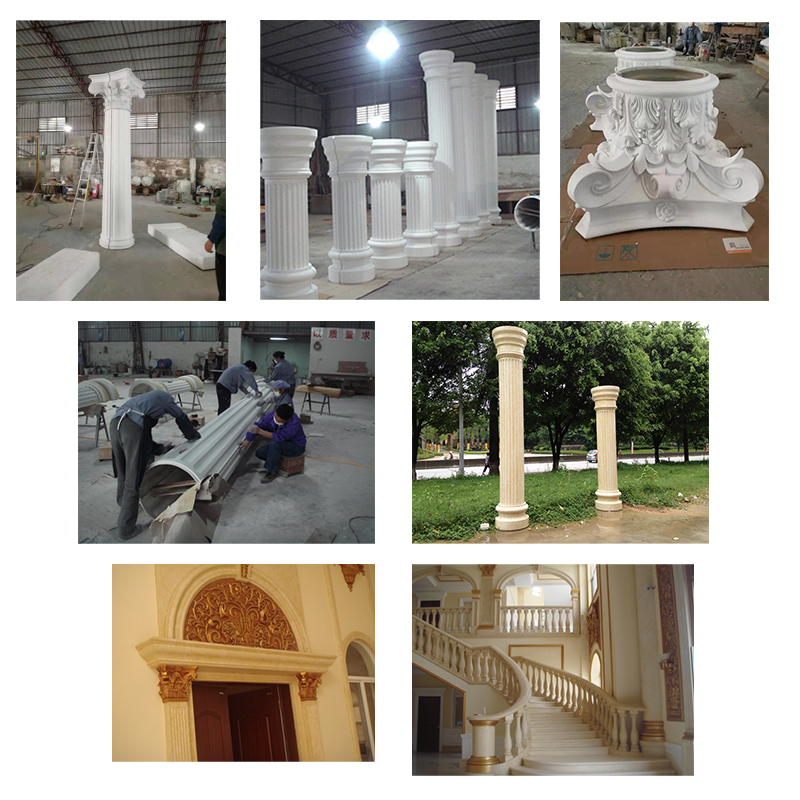
The choice of fiberglass for indoor decorative sculptures lies in its ability to strike a good balance among three often mutually restrictive dimensions: artistic expression, practical performance, and economic cost. Simply put, designers can realize their unbridled creativity, homeowners can obtain durable works, and budgets can be well controlled.
Specifically, it has the following four prominent advantages:
- For interior decoration, the almost “unlimited” modeling ability places the form and aesthetic of sculptures in the forefront. One of the major advantages of fiberglass is its strong malleability, which enables precise realization of complex designs that are difficult to achieve with other materials.
Restoring details: Whether it’s the subtle facial expressions of a figure sculpture or the intricate hollowed-out patterns on ethnic headwear, fiberglass can accurately reproduce them through molds.
Freedom of form: It can easily create smooth curved surfaces, sharp geometric corners, or exaggerated cartoon-like shapes full of fun. In comparison, achieving the same form with stone or metal is much more costly and difficult.
- “Light as a swallow” yet sturdy and durable: The transportation and installation of sculptures are a headache in practical projects, but fiberglass has effectively addressed this pain point:
Lightweight yet strong: The density of fiberglass is only 1/4 to 1/5 of steel, yet its strength rivals that of steel. This means it can be made large in size, yet remains lightweight, making it highly convenient for handling and indoor installation.
Safe and reliable: Its lighter weight imposes less load on building floors, ensuring higher safety. Additionally, the toughness of its material effectively cushions external impacts, making it less prone to breakage like gypsum or ceramics.
- The final presentation effect of fiberglass sculptures with realistic surface effects is excellent, and it can imitate almost any texture you want. Through professional surface treatment processes, it can be transformed into:
Imitation metal: It exhibits realistic metallic luster such as bronze, brass, and stainless steel.
Imitation stone material: It mimics the warm and heavy texture of White Marble and sandstone.
Colorful effect: It supports spraying in any color, whether it’s a vibrant cartoon color or a high-end pure color, and it can be perfectly achieved and maintained without fading for a long time.
- A pragmatic choice for cost and efficiency. Finally, from the perspective of project implementation, fiberglass is also highly competitive:
Cost controllable: Compared to customizing a large stone or bronze sculpture, the material and production costs of fiberglass are much lower.
High production efficiency: Once the clay sculpture is confirmed and the mold is completed, mass production can begin. For scenarios that require multiple identical sculptures (such as commercial art installations), rapid replication can be achieved, significantly reducing the production time.
Of course, any material has its limitations. Fiberglass also has disadvantages such as low elasticity and susceptibility to aging when exposed to outdoor sunlight and rain for extended periods. However, these are not issues in indoor environments, as it avoids the most critical ultraviolet radiation and extreme temperature differences, resulting in very stable performance. Therefore, fiberglass is particularly suitable for indoor environments such as shopping mall atriums, hotel lobbies, sales offices, and private residences, where it can leverage all its advantages while cleverly avoiding its shortcomings.
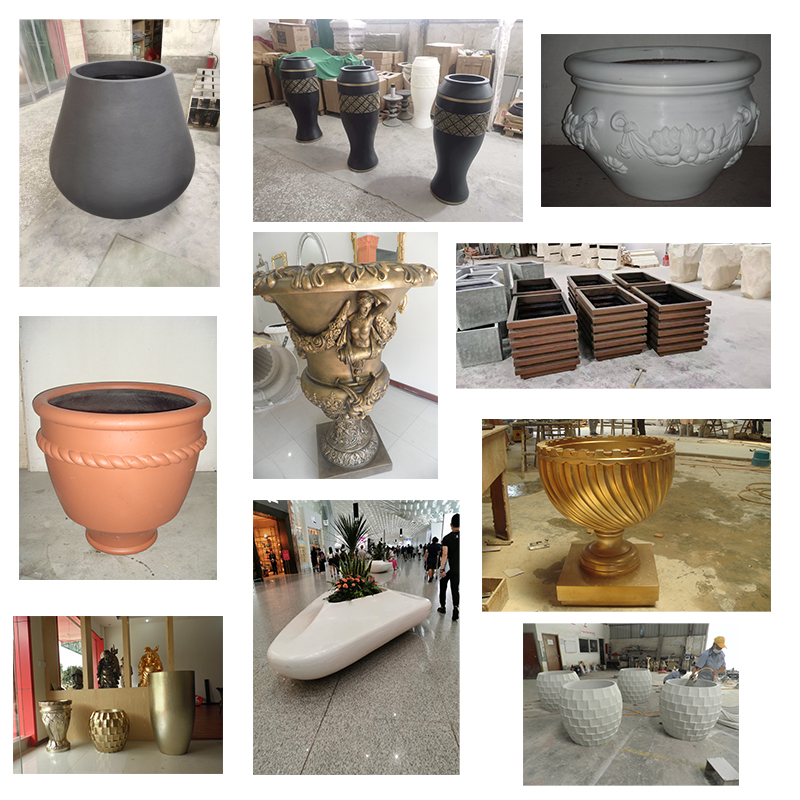
Why choose fiberglass for custom flowerpots?
Custom-made flowerpots are made of fiberglass, similar to the logic behind indoor sculptures, but with a stronger emphasis on practicality in terms of “usage scenarios” and “long-term durability”. Specifically, the main considerations are based on the following four key factors:
- Extremely “lightweight”, requiring minimal effort for moving, soil changing, and cleaning
This is the core pain point in customizing flowerpots. Under the same volume, the weight of a fiberglass flowerpot is only 1/3 to 1/5 of a cement pot and about 1/10 of a stone pot.
User-friendly: Large commercial flowerpots require frequent relocation, plant replacement, and removal of dead leaves. Fiberglass ones can be easily moved, while those made of cement or stone require multiple people or even mechanical assistance.
Friendly to buildings: When placed on balconies, terraces, or rooftop gardens, lightweight flowerpots exert less pressure on the floor slabs, ensuring higher safety.
- Durable for outdoor use, resistant to sun exposure and rain (especially suitable for commercial use)
Ordinary plastic flowerpots tend to become brittle and crack after two to three years, while wooden flowerpots are prone to decay. However, high-quality fiberglass flowerpots can last for over 10 years.
Strong weather resistance: It is resistant to ultraviolet rays (unlike inferior plastics that become brittle), moisture (does not absorb water or rot), and acid and alkali corrosion (unaffected by fertilizers and rainwater).
Wide temperature adaptability: In extreme heat or cold environments, fiberglass reinforced plastic (FRP) will not deform or crack, while cement pots may crack due to freezing and ceramic pots may crack due to exposure to the sun.
- “Free customization” of shape and color
Customized flowerpots often need to match specific interior and exterior decoration styles (minimalist, Chinese, European, etc.), and fiberglass has obvious advantages in this regard.
Arbitrary shapes: It can be made into oversized square, curved, and irregular shapes, and even mimic complex textures such as tree stumps, rocks, and woven baskets. Mold forming can accurately reproduce the design.
Any color: The surface can be finished in antique bronze, imitation sandstone, high-gloss pure color, matte texture, or even wood grain effect. The color is stable and does not fade over the years, unlike plastic pots which are prone to discoloration.
- High structural strength, not prone to damage
The flowerpot needs to withstand the pressure of soil and possible accidental impacts.
Impact resistance: The strength of fiberglass is much higher than that of ceramics and plastics. It is generally resistant to breakage from collisions, with only the surface possibly being scratched (but repairable).
No cracking: Unlike cement or earthenware pots, which may crack due to thermal expansion and contraction, fiberglass exhibits excellent integrity.
Quick comparison of flowerpots made of different materials
| Material | Weight | Durability | Design Freedom | Cost (Same Specification) | Suitable Scenario |
| Fiberglass | Extremely Light | Over 10 Years | Arbitrary | Medium | Commercial Spaces, Roofs, Places Requiring Mobility |
| Cement/Stone | Very Heavy | 5-8 Years (May Crack) | Limited (High Mold Cost) | Low (Material) / High (Freight) | Fixed Placement, Outdoor Locations Not Frequently Moved |
| Ceramic/Clay | Heavy | Fragile | Limited (Handmade/Mold) | Medium-High | Exquisite Small Potted Plants, Indoor Plastics |
| Plastic | Extremely Light | 2-4 Years (Ages and Becomes Brittle) | Higher | Low | Temporary Use, Low-Cost Scenario |
| Solid Wood | Medium | 3-5 Years (Rots) | Higher | High | Specific Style (Such as Japanese, Rural) |
Where is the most suitable place to use fiberglass flowerpots?
Commercial real estate: entrances of shopping malls, lobbies of hotels, and halls of office buildings – they require large scale, good design, and simple maintenance throughout the year.
Roof garden/balcony: Locations with strict load-bearing restrictions.
Locations that require seasonal or frequent plant replacements: such as exhibition halls, temporary event setups, and flower shop entrances.
Modern minimalist or unconventional design: flowerpots requiring non-standard geometric shapes (such as extra-long strip pots, irregular polyhedra).
A minor flaw to be noted
Avoid scratching by sharp objects: If the surface coating is scratched by hard objects (such as shovels, metal flower racks), the underlying color will be exposed and touch-up painting is required.
The price is higher than that of ordinary plastic pots: after all, it is custom-made fiberglass. However, in the long run, the cost-effectiveness of durability outweighs the initial higher price.
Summary: Choosing fiberglass for custom flowerpots strikes the perfect balance between “lightweight and durable” and “beautiful and free-form”. If you require large sizes, unusual shapes, frequent movement, or placement in areas with concerns about load-bearing capacity (such as balconies or terraces), it is almost the top choice. However, if you seek an ultimate natural texture (such as pure handmade ceramic pots) or have a very limited budget and do not require long-term use, other materials may be considered.
 Zhuoning fiberglass sculpture factory